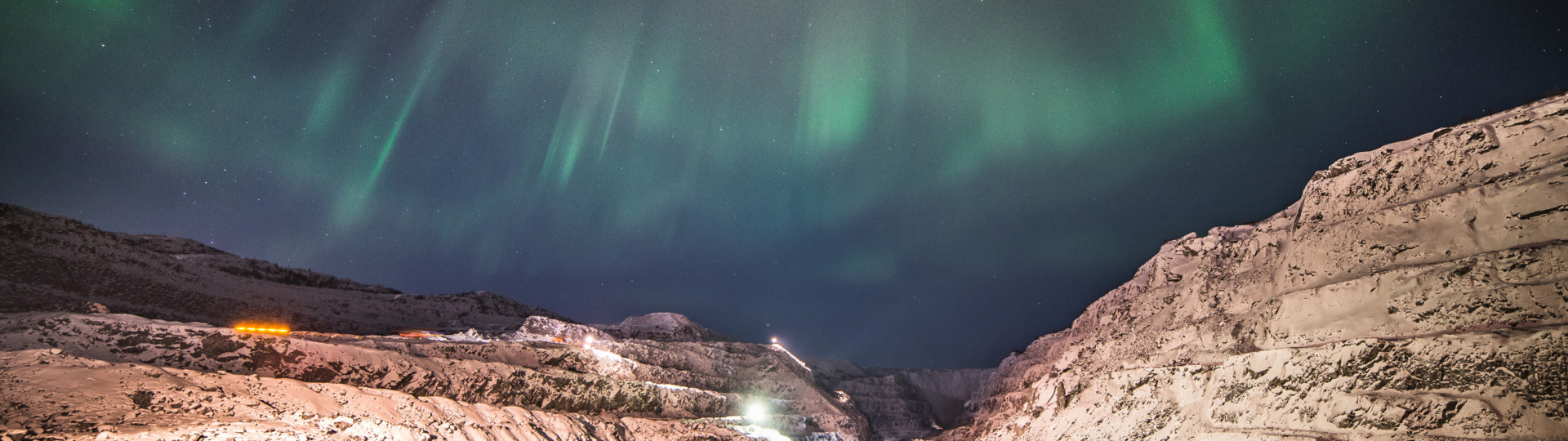
Mining has been an important contributor to the community of Sør-Varanger for over four generations. Our operations are conducted in the strictest compliance with environmental regulations, local planning decisions, and observance of all directives by competent authorities and international guidelines. Our continuing ambition is to be operating side-by-side our local communities in a sustainable manner, with minimal impact on the environment.
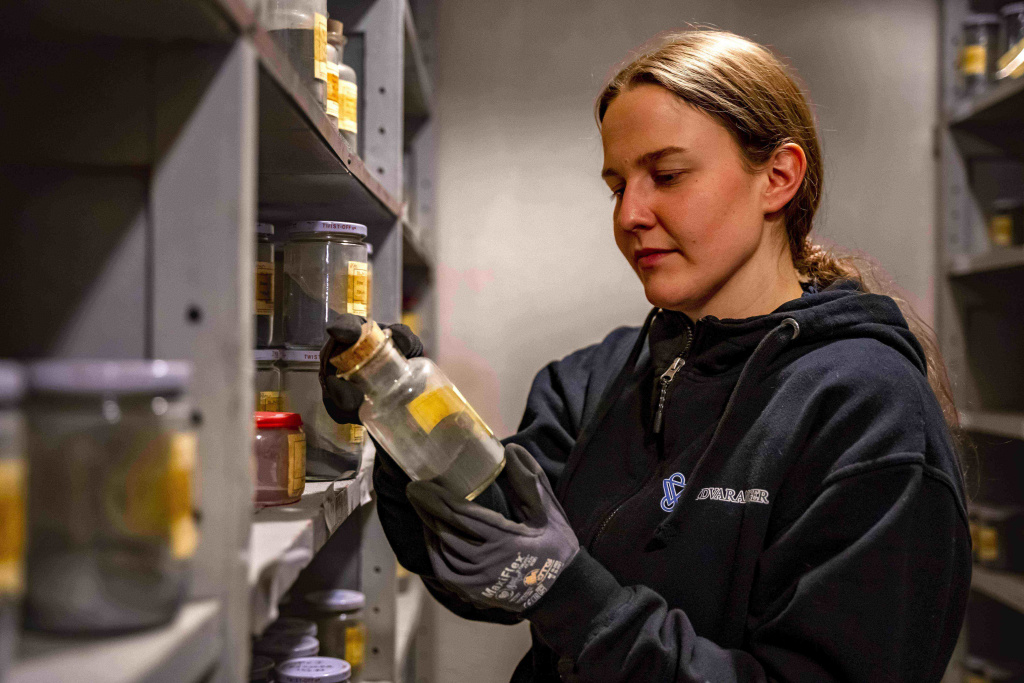
The green transition of the iron and steel industry is important for reducing society’s carbon dioxide emissions. Today, the sector accounts for about 7 percent of the world’s greenhouse gas emissions, with one of the biggest culprits being the reduction process that transforms iron ore into refined iron products. In the traditional reduction process, which takes place in a blast furnace, coal is used to bind the oxygen in the iron ore and purify the iron. Coal is one of the substances that contributes the most to carbon dioxide emissions into the atmosphere. To create production and reduction processes with a lower climate impact, many companies have in recent years initiated development projects and methods to reduce emissions using new technology.
High-quality iron ore lays the foundation for carbon-free steel
A common goal of the steel and iron sector is to minimize its greenhouse gas emissions – and now several projects are on the right track. The key in this transition is the iron ore. In the direct reduction process (DRI), which is the most efficient and technically advanced, under the right conditions hydrogen can be used instead of coal. Instead of carbon dioxide, the by-product in such a process is water – a much better waste product for both environment and climate!
However, in order to use direct reduction with hydrogen, an iron ore feedstock with an iron content exceeding 67 percent is required. Today, only 4% of the world’s iron ore reaches the critical level necessary to produce green steel. The end product after hydrogen-based DRI is an ultra-high-grade iron ore concentrate, which is expected to become a scarce resource in the future.
Through our mineral extraction projects in Sweden and Norway, we at Grangex will contribute iron ore concentrate with 68–70% iron content – levels that meet and even exceed the quality requirements for hydrogen-based DRI. From our production in Norway alone, we will enable a reduction in carbon dioxide emissions from the steel industry by over 4 million tonnes per year.
Sydvarangers sustainability strategy consists of four main areas:
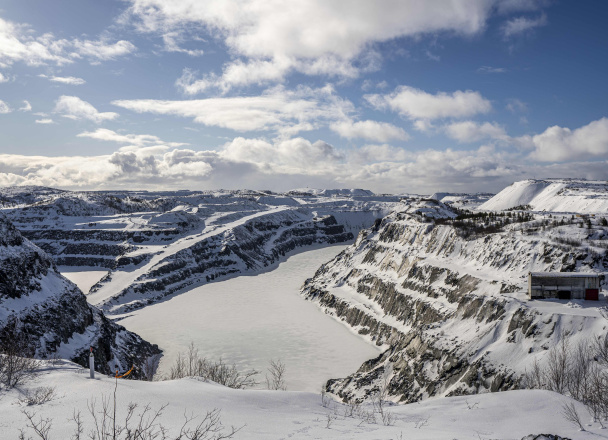
Environment & Climate
Sustainability is achieved by promoting internal and external environmental awareness, and by implementing rigorous measurement programs and controls over our industrial activities.
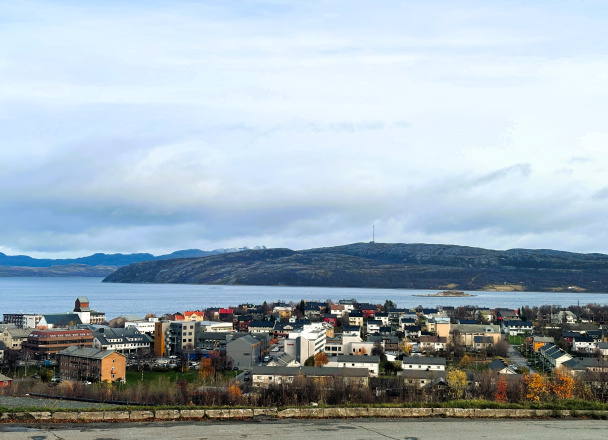
Community
Our company is an important part of the local community. Many who grew up in the area have family members who have worked at the mine. We at Sydvaranger are committed to maintaining an open communication channel to the local community.
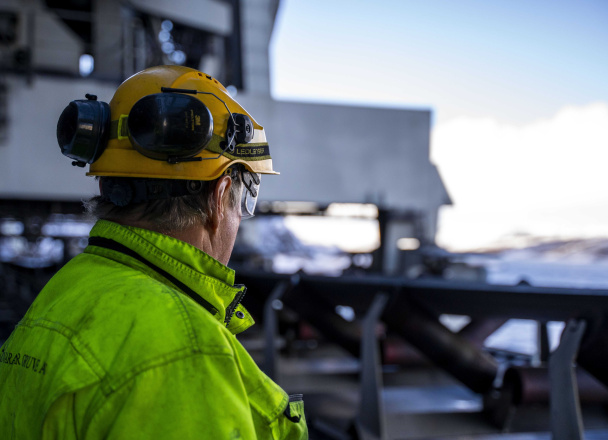
Sustainable Workplace
Sydvaranger aims to provide a sustainable workplace, free from serious accidents and built on a corporate culture where safety is never compromised. Our workplaces should be environments where employees and partners can thrive and grow.
Sustainability Governance
Sydvarangers sustainability governance is under development and will be an integrated part of our project.